PALS Certification for Healthcare Providers
In-Person PALS Classes in Oakland plus HeartCode PALS Skills at 40 Locations
Pediatric Advanced Life Support (PALS) prepares healthcare professionals to recognize and manage respiratory failure, shock, and pediatric cardiac arrest using evidence-based algorithms and team-based resuscitation practices.
Project Heartbeat offers multiple PALS training pathways—In-Person Initial, In-Person Renewal, HeartCode PALS Complete, and Skills-Only—based on your clinical experience and scheduling needs.
All PALS courses follow the 2025 American Heart Association (AHA) Guidelines, including updated respiratory management strategies, pediatric shock pathways, and team-based systems of care.
Choose Your PALS Training Path
PALS certification is available in two learning modalities. Both modalities lead to the same AHA PALS Provider eCard, valid for 2 years..
In-Person Classroom

100% classroom instruction with a live AHA instructor. Available at our Oakland campus.
HeartCode Self-Guided Learning – Choose from 2 options:
HeartCode PALS Complete
Includes both the online course and the skills check
HeartCode PALS Skills Only
Only for students who already finished the online course through the AHA
How HeartCode PALS Works (Online Course + Skills Check)
HeartCode PALS is the American Heart Association’s official blended learning format. It combines online adaptive learning with an in-person skills evaluation to complete your certification.
Part 1 — Online Course (HeartCode PALS)
Complete the AHA’s adaptive online modules at your own pace. The program customizes your learning experience—spending more time on topics where you need review and moving quickly through content you already understand. Part 1 covers the full PALS curriculum and prepares you for your skills evaluation.
Part 2 — In-Person Skills Check
After completing Part 1, attend a short hands-on session where you demonstrate compressions, ventilations, and team communication using a manikin with real-time feedback.
What to Expect at a Self-Guided Skills Session?
You will receive real-time CPR feedback during compressions and ventilations. This evaluation satisfies the AHA requirement for PALS certification. We recommend watching this short video if you are unsure which pathway to choose. It shows what you will see at a self-guided HeartCode Skills session.
Tips & Tricks to Help You Pass Your Skills Session
These short videos highlight the most common mistakes students make during skills testing and show you exactly what the system is looking for. Watching them ahead of time will help you finish faster, avoid retakes, and pass with confidence.
Station Introduction
Compression Skill Tips
Compression Skill Tips: Proper Hand Placement
Ventilation Skill Tips
Adult 2-Rescuer Skill Tips
Why PALS Training Matters
PALS teaches providers how to rapidly identify and treat life-threatening pediatric conditions, including respiratory failure, shock, and cardiac arrest. The 2025 AHA Guidelines emphasize:
- Early recognition of pediatric deterioration
- Updated respiratory and airway management
- Shock algorithms with clearer decision pathways
- High-performance pediatric resuscitation teams
- Enhanced systems-of-care for post-arrest and trauma scenarios
PALS certification ensures clinicians deliver timely, coordinated, and effective care during pediatric emergencies.
What You’ll Learn in PALS Training
Every Project Heartbeat PALS course follows the latest 2025 AHA Guidelines for CPR and ECC. Training includes:
Every training pathway — In-Person, HeartCode Complete, or HeartCode Skills-Only — leads to the same AHA PALS Provider eCard, valid for two years.
Who Should Take PALS Certification?
PALS certification is recommended for professionals who care for infants and children in emergency or acute care settings.
Ideal for:
- Pediatric and Emergency RNs
- PICU and NICU staff
- Paramedics & Advanced EMTs
- Physicians, PAs, and NPs
- Respiratory Therapists
- Code Team & Rapid Response members
Also suitable for:
- Outpatient pediatric clinicians
- School-based nurses
- PACU and perioperative staff caring for pediatric patients
Frequently Asked Questions
Learn More About PALS Certification

How to Pass Your PALS Certification the First Time
Whether or not PALS certification is a requirement on your unit, you'll find this class and examination gives you greater knowledge of emergency care for your pediatric patients and greater confidence in your everyday work. However, you probably know how in-depth these classes go and how stressful the scenarios and megacodes can become. These tips will help you pass your PALS assessment the first time so that you can quickly become a certified provider.
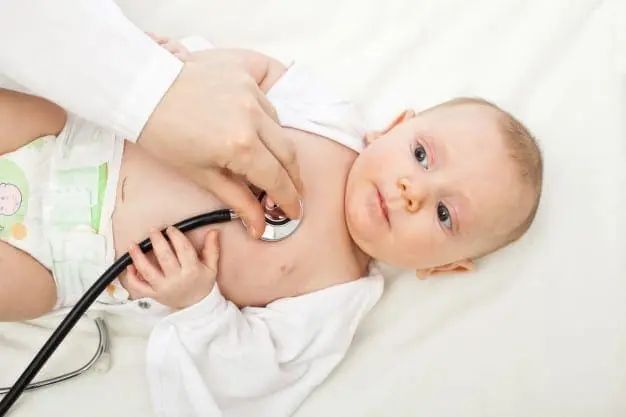
PALS Algorithms to Memorize and Practice
Even if you're already familiar with the adult version of advanced life support, you will still want to spend plenty of time memorizing the most important PALS algorithms you'll see on your certification examination. Many pediatric algorithms are slightly different from their adult counterparts because of the smaller size of these patients.

What Is Pediatric Advanced Life Support?
PALS stands for Pediatric Advanced Life Support and in some ways mirrors the ACLS certification for adult patients. This certification tells those you work with as well as your employer that you know how to respond to emergency situations with speed and accuracy. It also demonstrates that you are a knowledgeable team leader and that you are committed to the best possible care for your pediatric population.