In-Person PALS Certification Classes (Instructor-Led Training)
 American Heart Association (AHA) Approved Classroom Curriculum
In-person Pediatric Advanced Life Support (PALS) training provides hands-on, instructor-led education for healthcare providers who care for infants and children in emergency and high-acuity settings. This traditional classroom format follows the American Heart Association (AHA) PALS Provider curriculum, emphasizing early recognition of pediatric deterioration, respiratory management, shock treatment, and coordinated team-based resuscitation. Whether you are completing PALS for the first time or renewing your certification, in-person training offers structured guidance, real-time feedback, and pediatric megacode practice.
Why Choose In-Person PALS Training?
In-person learning provides real-time feedback and hands-on practice—making it the preferred format for first-time PALS learners and students who want instructor support during skills practice.
Benefits of Classroom Training:
- Practice pediatric assessment, airway skills, and algorithms with real-time coaching.
- Apply PALS concepts in realistic infant and child emergency scenarios.
- Ideal for providers working in EDs, PICUs, NICUs, and prehospital settings.
- Stay current with changes in pediatric respiratory, shock, and resuscitation care.
If you want the most supported learning experience, the in-person modality is the strongest choice.
Guideline Notice
In-person PALS courses follow the American Heart Association’s currently approved classroom curriculum. HeartCode PALS reflects the most recent guideline updates through the AHA’s blended-learning format.
What You’ll Learn in the In-Person PALS Course
Your training includes all components of the AHA-approved PALS Provider classroom curriculum, including:
- Pediatric Assessment Triangle (PAT) application
- Recognition of respiratory distress vs. failure
- Pediatric airway and ventilation management
- Shock identification and treatment pathways
- Pediatric bradycardia and tachycardia algorithms
- Weight-based medication dosing
- Team dynamics and leadership principles
- Pediatric megacode performance
Both the Initial and Renewal classes include a written exam, skills evaluation, and megacode testing.
Who Should Take In-Person PALS?
PALS certification is intended for healthcare providers who respond to pediatric emergencies or care for critically ill infants and children. Ideal for:
- Pediatric and Emergency RNs
- PICU and NICU staff
- Paramedics and advanced EMTs
- Physicians, PAs, and NPs
- Respiratory Therapists
- Code Team and Rapid Response members
Also suitable for:
- Perioperative and PACU staff caring for pediatric patients
- Outpatient pediatric clinicians
- School-based or urgent care providers with pediatric responsibility
Where We Teach In-Person PALS
Oakland Training Center
333 Hegenberger Rd, #855 Oakland, CA 94621
Frequently Asked Questions (In-Person PALS)
Learn More About PALS Certification

How to Pass Your PALS Certification the First Time
Whether or not PALS certification is a requirement on your unit, you'll find this class and examination gives you greater knowledge of emergency care for your pediatric patients and greater confidence in your everyday work. However, you probably know how in-depth these classes go and how stressful the scenarios and megacodes can become. These tips will help you pass your PALS assessment the first time so that you can quickly become a certified provider.
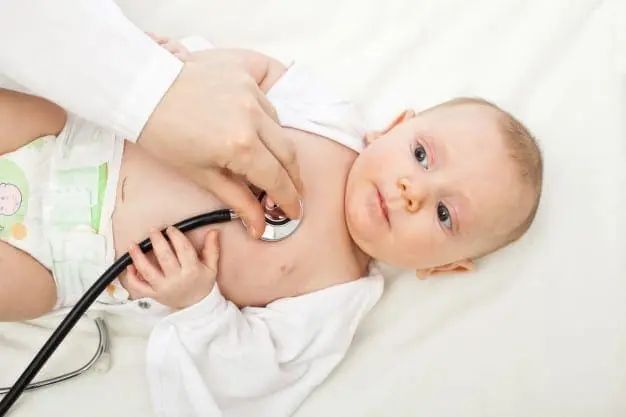
PALS Algorithms to Memorize and Practice
Even if you're already familiar with the adult version of advanced life support, you will still want to spend plenty of time memorizing the most important PALS algorithms you'll see on your certification examination. Many pediatric algorithms are slightly different from their adult counterparts because of the smaller size of these patients.

What Is Pediatric Advanced Life Support?
PALS stands for Pediatric Advanced Life Support and in some ways mirrors the ACLS certification for adult patients. This certification tells those you work with as well as your employer that you know how to respond to emergency situations with speed and accuracy. It also demonstrates that you are a knowledgeable team leader and that you are committed to the best possible care for your pediatric population.