Project Heartbeat

Advanced Nursing

25 03, 2020

Healthcare Certifications: Do I Have to Have Hands-on Training?

2020-03-20T12:58:29-07:00March 25th, 2020|Categories: Advanced Nursing, Career Programs, Classes, Education|

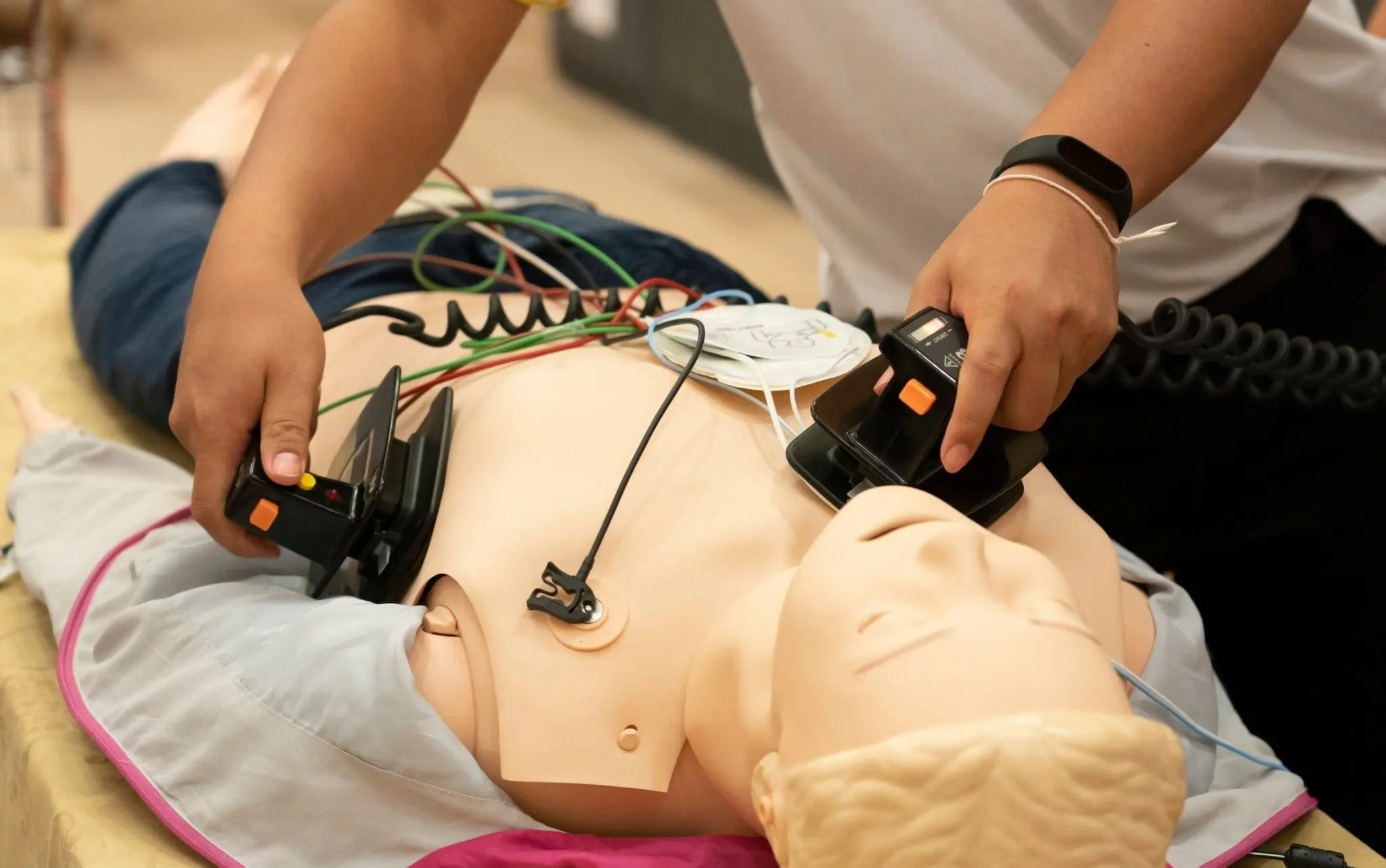
Today, training for nearly any job or learning for any class can take a variety of forms. While lectures were once de rigueur for most of those studying for health care professions, students and professionals can now find a myriad of ways to learn about up-and-coming research, hone their life-saving skills and advance their careers. From online courses to apps, the sky seems to be the limit on educational materials. However, in the health care world, hands-on training still remains [...]

20 03, 2020

Problems with Excessive Ventilation During ACLS

2020-03-20T12:51:19-07:00March 20th, 2020|Categories: ACLS, Advanced Nursing, Education|

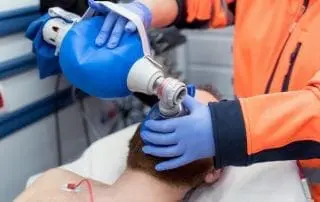
At some point in your career, you have probably dealt with a patient who was hyperventilating. This is generally referred to as respirations greater than 20 per minute. When respirations become much faster than that, oxygen levels drop and your patient begins to feel lightheaded or dizzy. However, even when your patient cannot control his own respirations, such as during or after a code, he may still be hyperventilating due to rescuer attempts. There are three main reasons why you [...]

6 03, 2020

ACLS and PALS Medications to Study

2020-03-05T21:02:39-08:00March 6th, 2020|Categories: ACLS, Advanced Nursing|

An in-depth look at ACLS and PALS certification classes and their respective study booklets will quickly show you that there are numerous medications that can be used for every algorithm. While all of these medications are important and will probably be used on your floor or in your emergency department at one point or another, some of them are more likely to be seen on your certification examination and during your mega code. Therefore, focusing on the classification, dosages and usages of the following medications is most helpful for your limited study time.

21 02, 2020

PALS for Trauma Victims

2020-02-21T09:37:36-08:00February 21st, 2020|Categories: Advanced Nursing|

If you are hoping to start a career in trauma care for the pediatric population, you may be required by your employer to take a PALS course. Even if this is not a requirement where you work, this course can give you the necessary knowledge and skills to excel in your job and to feel more confident and comfortable when working in the emergency department or in the pediatric intensive care unit. PALS is the Pediatric Advanced Life Support class [...]

12 02, 2020

Sick Sinus Syndrome and the Implications for Your Patients

2020-02-11T10:10:27-08:00February 12th, 2020|Categories: Advanced Nursing|

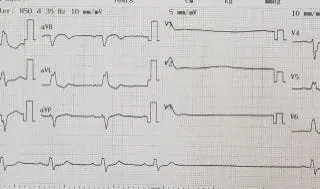
While you have probably learned plenty about symptomatic bradycardia and tachycardia, atrial fibrillation and ventricular fibrillation, other heart rhythms may still be a bit fuzzy in your mind. One potentially confusing rhythm is sick sinus syndrome, which may occasionally be called sinus node disease or sinus node dysfunction. Understanding this heart rhythm, its causes, symptoms and treatments can help you better address concerns that your patients may be having and help them prevent more severe complications of this arrhythmia. What [...]

5 02, 2020

How to Pass Your PALS Certification the First Time

2020-03-01T20:40:02-08:00February 5th, 2020|Categories: Advanced Nursing, Classes|Tags: |

Whether or not PALS certification is a requirement on your unit, you'll find this class and examination gives you greater knowledge of emergency care for your pediatric patients and greater confidence in your everyday work. However, you probably know how in-depth these classes go and how stressful the scenarios and megacodes can become. These tips will help you pass your PALS assessment the first time so that you can quickly become a certified provider.

15 01, 2020

Fatigue on the Job: Dangerous or Normal?

2020-01-15T08:36:06-08:00January 15th, 2020|Categories: Advanced Nursing|

Probably every worker has experienced that afternoon slump or has needed a cup of coffee to get through the last hour behind the desk. However, nurses have it particularly difficult because of the great physical and mental burdens they carry throughout each shift. Stressful work situations, busy shifts during which there is no time to sit down and 12-hour night shifts that leave nurses yawning and nodding off on the drive home combine to create a real problem. In fact, [...]

8 01, 2020

Creating More Connected Relationships with Health Care Colleagues

2019-12-30T13:07:38-08:00January 8th, 2020|Categories: Advanced Nursing, Nurses Corner, Research|

The health care profession is known for being a high-stress place in which doctors, nurses and other professionals are often put into uncomfortable situations. Disagreements between doctors and nurses are common, and nurses often struggle to create positive relationships with difficult patients. On very hard days, nurses may even find themselves at each other’s throats as their stress threatens to get out of hand. Creating healthy, connected relationships requires focus and determination. It will never happen by chance. These five [...]

3 01, 2020

Improve Your Workplace Environment: Improve Your Job Satisfaction

2019-12-30T13:07:58-08:00January 3rd, 2020|Categories: Advanced Nursing, Classes, Nurses Corner, Research|

Job satisfaction is at an all-time high this year according to The Conference Board, a non-profit research group. In 2019, 54 percent of surveyed workers said they were happy in their jobs, which was up from the 49 percent measured several years ago. These higher numbers today can generally be linked back to improved job security and better wages especially for younger workers. However, satisfaction with the job environment and with coworker interactions do not rate quite so high. While [...]

Go to Top