BLS vs ACLS vs PALS: What’s the Difference & Which Certification Do You Need?
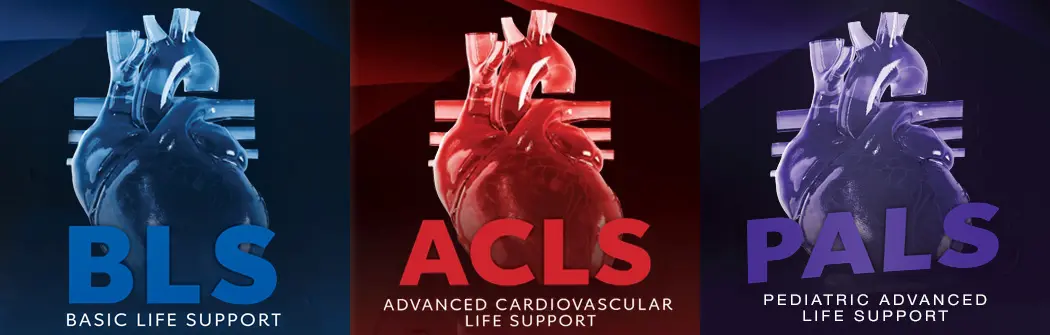
If you work in healthcare — or are preparing to enter the field — you’ve likely encountered three core American Heart Association (AHA) certifications:
- BLS (Basic Life Support)
- ACLS (Advanced Cardiovascular Life Support)
- PALS (Pediatric Advanced Life Support)
Each certification is designed for a specific level of patient care and clinical responsibility. Understanding the differences helps ensure you enroll in the right course for your role, employer requirements, and patient population.
This guide explains the key differences between BLS, ACLS, and PALS — and who should take each.
Quick Comparison: BLS vs ACLS vs PALS
| Certification | Designed For | Focus | Typical Candidates |
|---|---|---|---|
| BLS | Healthcare providers | CPR, AED use, choking response | Nurses, EMTs, CNAs, medical students |
| ACLS | Advanced providers | Cardiac emergencies, EKG rhythms, medications | ICU nurses, ER staff, physicians |
| PALS | Pediatric providers | Infant & child emergencies | Pediatric nurses, ER staff, paramedics |
While all three certifications are issued by the American Heart Association and are valid for two years, they differ significantly in scope, complexity, and clinical application.
 What Is BLS Certification?
 What Is BLS Certification?
Basic Life Support (BLS) is the foundational CPR certification for healthcare providers.
It focuses on:
- High-quality CPR for adults, children, and infants
- AED use in clinical and public settings
- Team-based resuscitation dynamics
- Relief of choking
BLS certification is required for most healthcare roles and serves as the prerequisite for advanced certifications like ACLS and PALS.
Who Needs BLS?
- Registered Nurses (RNs)
- Licensed Vocational Nurses (LVNs)
- EMTs
- CNAs
- Medical assistants
- Nursing students
- Dental professionals
If you provide direct patient care, BLS is typically mandatory.
What Is ACLS Certification?
 What Is ACLS Certification?
Advanced Cardiovascular Life Support (ACLS) builds upon BLS and is designed for providers who manage adult cardiac emergencies.
ACLS includes:
- Advanced airway management
- EKG rhythm interpretation
- IV medication administration
- Cardiac arrest algorithms
- Stroke and acute coronary syndrome management
ACLS certification is typically required for professionals working in high-acuity hospital settings.
Who Needs ACLS?
- ICU nurses
- Emergency room nurses
- Physicians
- Paramedics
- Critical care staff
If you are responsible for managing cardiac arrest or advanced life support interventions, ACLS is often required by your employer.
What Is PALS Certification?
 What Is PALS Certification?
Pediatric Advanced Life Support (PALS) focuses specifically on the emergency treatment of infants and children.
It includes:
- Pediatric respiratory emergencies
- Shock management
- Pediatric cardiac arrest
- Pediatric medication dosing
- Team-based pediatric resuscitation
PALS certification is required for healthcare providers who regularly treat pediatric patients.
Who Needs PALS?
- Pediatric nurses
- ER staff treating children
- Pediatric ICU providers
- Paramedics serving pediatric populations
- Physicians working with children
If your patient population includes infants or children, PALS certification may be required.
Which Certification Should You Choose?
Choosing the correct certification depends on your job responsibilities.
You likely need BLS if:
- You are entering healthcare
- You provide general patient care
- Your employer requires CPR for healthcare providers
You likely need ACLS if:
- You work in critical care or emergency medicine
- You manage cardiac emergencies
- Your hospital requires advanced cardiac certification
You likely need PALS if:
- You work with infants or pediatric patients
- Your department treats children regularly
Many hospital-based providers hold multiple certifications, such as:
- BLS + ACLS
- BLS + PALS
- BLS + ACLS + PALS (depending on role)
If you’re unsure which certification is required, check out our guide to CA certification requirements, and most importantly confirm with your employer or licensing board before enrolling.
Do These Certifications Expire?
Yes.
BLS, ACLS, and PALS certifications are typically valid for two years from the date of completion.
To remain current, you must complete the course again prior to expiration.
Most providers complete certification through either:
- Through a traditional in-person class, or
- Through HeartCode (online coursework + in-person self-guided skills session)
HeartCode does not distinguish between “initial” and “renewal.” The same course format applies whether you are certifying for the first time or recertifying.
In-Person vs HeartCode (Self-Guided Learning)
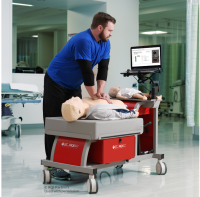 In-Person vs HeartCode (Self-Guided Learning)
Project Heartbeat offers both:
- Fully in person
- Or via HeartCode (online course + in-person self-guided skills session)
HeartCode allows you to complete the cognitive portion online at your own pace before attending a shorter, self-guided skills session at a CPR Verification Station
View Course Options:
- BLS Certification – In-Person Initial | In-Person Renewal | HeartCode Complete
- ACLS Certification – In-Person Initial | In-Person Renewal | HeartCode Complete
- PALS Certification – In-Person Initial | In-Person Renewal | HeartCode Complete
Why Choose Project Heartbeat?
 Why Choose Project Heartbeat?
Project Heartbeat provides:
- AHA-aligned certifications
- Multiple convenient locations
- Same-day skills sessions (where available)
- In-person and self-guided learning formats
- Programs designed for healthcare professionals
Whether you’re a student, nurse, EMT, or physician, we offer the certifications required for your role.
View All Certification Courses and Vocational Education Offerings