
Project Heartbeat

Blog

1 02, 2019

Documentation During a Life-Threatening In-Hospital Event

February 1st, 2019|Categories: ACLS, Education|

When you’re busy trying to save your patient’s life, probably the last thing on your mind is paperwork. After all, if you’re like most health care practitioners, paperwork is always to be dreaded and is only done because it’s required to be completed by law. While documentation during a code certainly is required by law, you should understand that there are actually some other good reasons to get it done. In fact, it may even help you provide better [...]

30 01, 2019

Cardiac Arrest: First Steps as a Trained Professional

January 30th, 2019|Categories: ACLS, CPR Training Articles|

One of the most nerve-wracking aspects of your job as a nurse, physician or other health care provider is the fact that you will be called on regularly to save lives. No matter how well you are trained and how easily you understood and passed your ACLS training, this is still a serious situation that may leave you feeling inadequate initially. You will become acutely aware that the lives of your patients rest in your hands. However, by regularly reviewing [...]

25 01, 2019

CPR or Defibrillation First? A Look at the Best Practice for Treating Ventricular Fibrillation

January 25th, 2019|Categories: CPR Training Articles, Education|Tags: |

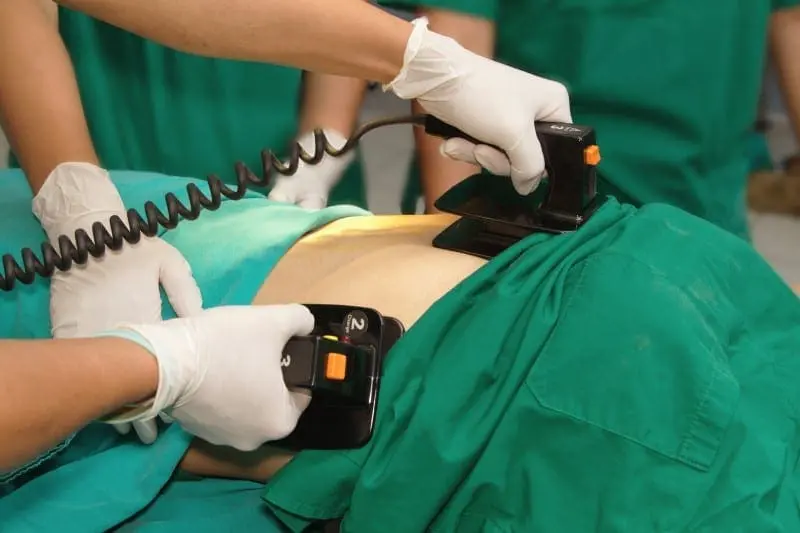
One of the stickiest issues as you deal with V-fib is knowing when you should defibrillate the patient and when you should continue with CPR. CPR is obviously necessary for perfusing the brain and the heart muscle, but defibrillation is vital for getting the heart back into a rhythm through which it can perfuse the body itself. As a new provider or as an experienced provider uncertain about the latest changes made in 2015 by the ACLS, you may find [...]

23 01, 2019

Common Risk Factors and Signs of Impending Cardiac Arrest

January 23rd, 2019|Categories: Advanced Nursing|

Cardiac arrest, which is what occurs when the heart stops pumping rhythmically and your patient no longer has a pulse, can be difficult to predict. Therefore, it’s often called sudden cardiac arrest, or SCA. However, as a trained health care professional, you should always be prepared for unexpected events such as this and should guard against them by being able to recognize certain signs and symptoms as well as risk factors that could lead to a code if not addressed [...]

15 01, 2019

Understanding the 2015 Changes to ACLS Guidelines

January 15th, 2019|Categories: ACLS|

The American Heart Association comes out with a new version of their guidelines for BLS and ACLS every five years. Changes to the guidelines are designed to reflect current research and care standards with an emphasis put on the ultimate survival of every patient. The most recent set of guidelines came out in 2015, and if you’ve not renewed your ACLS certification recently, you’ll definitely want to recognize these changes. Updates to AHA ACLS Guidelines In the 2015 guidelines, [...]

9 01, 2019

What’s the Difference Between a Paramedic and an EMT?

January 9th, 2019|Categories: Career Programs, Education, EMT Training|

When you hear the words EMT and paramedic, you might immediately think of those people who hop out of the backs of ambulances to help individuals in emergency situations. However, an EMT is actually different from a paramedic. While both may occasionally do some of the same tasks, one has a bit more education, training, experience and skills than the other. Differences in Training The most obvious difference between EMTs and paramedics is in their education. EMTs follow a fairly [...]

4 01, 2019

Teamwork and Communication: the Basis for a Good ACLS Experience

January 4th, 2019|Categories: Advanced Nursing|

Have you ever been part of a code where everything seemed to be spiraling out of control? Perhaps everyone was shouting something different, no one had the materials and medications that were needed and you had no idea what you were supposed to be doing. While this may be the reality in some situations, a well-operated code in the hospital or other health care setting should always be more organized and calmer than what was just described. Other than [...]

2 01, 2019

5 Tips for Moving from General Floor to Critical Care Nursing

January 2nd, 2019|Categories: Advanced Nursing, Education|

If you are like many nurses, you may be looking for a way to advance your career or get into a new field in nursing to breathe new life into your career. If you work in a large enough hospital, one option that may be easily open to you is a transition into critical care nursing. It may initially seem frightening to consider going into this type of nursing. After all, the ICU nurse routinely saves lives, and you may [...]

28 12, 2018

5 Tips for Passing Your ACLS Examination the First Time

December 28th, 2018|Categories: ACLS, Advanced Nursing, Career Programs|

It can be scary to take an Advanced Cardiac Life Support class for the first time. You may feel totally out of your element and may feel as if you know less than any of the others around you. While these feelings of low confidence are normal, you can do some things yourself to improve your experience. Specifically, you can follow these five tips to help you ace your certification exam the first time you take it. Learn to [...]

26 12, 2018

The Most Commonly Used Drugs in Advanced Cardiac Life Support

December 26th, 2018|Categories: ACLS, Advanced Nursing, Education|

When you are helping patients in a health care facility, medications become an integral part of many of your treatments. This is especially true in the case of life-threatening conditions when code blues are called. As you study your algorithms in preparation for your ACLS certification or renewal, you’ll quickly find that the following medications are frequently seen throughout many treatment pathways. Atropine Atropine is the drug of choice for improving very slow heart rates. It is used as part [...]

Go to Top