
Project Heartbeat

The Heartbeat Blog

22 02, 2019

Wanting to Become a Nurse? Know When to Become BLS Certified

February 22nd, 2019|BLS, Career Programs|

BLS certifications tell the world that you know how to perform CPR and perform basic life-saving techniques. If you’re planning to get into the health care field yourself, you may be wondering when you should get your certification. Is it best to get it long before you apply for your first job, or should you wait until you are accepted into a position?

20 02, 2019

Get Continuing Education Hours with Health Care Recertification Courses

February 20th, 2019|Advanced Nursing, Classes, Education|

The beauty of an education in a health care-related field is that it is never complete. You will constantly be learning something new. The reasons for this are many, but most particularly, you will need to continue your education to keep up-to-date with new research findings and changes in practice, and to ensure that you retain your edge in your health care practice. Continuing education courses in health care give you a balanced approach to your daily practice.Continuing Education Courses [...]

15 02, 2019

The New Emphasis on the Suspected Opioid Overdose Emergency Algorithm

February 15th, 2019|Advanced Nursing, Education|

Part of any ACLS training these days or even BLS training for that matter is an emphasis on recognizing and treating opioid overdoses. Nearly every urban and even rural area across the country has been affected by this epidemic in some way, leaving health care practitioners feeling at loose ends for how to address it. With your ACLS training, you’ll know how to recognize and address this situation carefully. With your quick wits and your healthy knowledge base for emergency [...]

13 02, 2019

Visual, Auditory, Reading or Kinesthetic? ACLS Instruction for Every Type of Learner

February 13th, 2019|ACLS, Education|

Getting your ACLS accreditation requires taking a multi-day class and passing both a written and a hands-on test in most cases. This is done to assure the instructors that you have the knowledge it takes to quickly respond to life-threatening emergencies and even to lead others around you in life-saving techniques. However, if you have not done well with college classes or tests in the past, you may be wondering how easy it will be to learn the information in [...]

8 02, 2019

5 Top Tips for Learning Your ACLS Algorithms

February 8th, 2019|ACLS, Classes, Education|

Are you feeling stressed and nervous about your upcoming ACLS examination? You are certainly not alone. Nearly every person who has taken this test will admit to feeling at least some nerves as they prepped for the final examination and the mega code. However, the key for most people is to have the algorithm well-memorized. When you can easily pull any algorithm out of your head and know the exact order of steps, you’ll be ready to treat your mannequin-patient [...]

6 02, 2019

Caring for a Stroke Victim Using the Suspected Stroke Algorithm

February 6th, 2019|ACLS, Advanced Nursing|

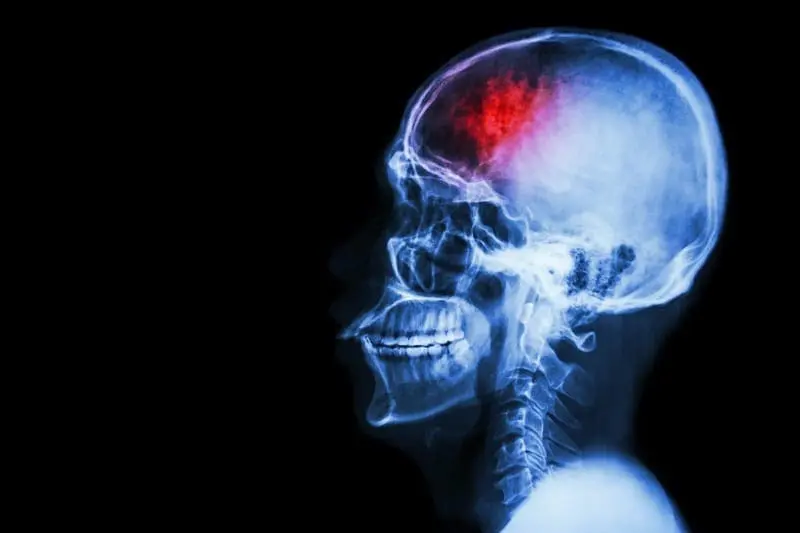
If you’ve ever known someone who has suffered from a stroke, you know that some of the symptoms can be quite visible. Now that you are a health care practitioner, you must know even more about this potentially devastating health event so that you can provide the best quality of care and the fastest help possible to your patients. The best way to get the knowledge and experience you need is to take part in ACLS training. This class [...]

1 02, 2019

Documentation During a Life-Threatening In-Hospital Event

February 1st, 2019|ACLS, Education|

When you’re busy trying to save your patient’s life, probably the last thing on your mind is paperwork. After all, if you’re like most health care practitioners, paperwork is always to be dreaded and is only done because it’s required to be completed by law. While documentation during a code certainly is required by law, you should understand that there are actually some other good reasons to get it done. In fact, it may even help you provide better [...]

30 01, 2019

Cardiac Arrest: First Steps as a Trained Professional

January 30th, 2019|ACLS, CPR Training Articles|

One of the most nerve-wracking aspects of your job as a nurse, physician or other health care provider is the fact that you will be called on regularly to save lives. No matter how well you are trained and how easily you understood and passed your ACLS training, this is still a serious situation that may leave you feeling inadequate initially. You will become acutely aware that the lives of your patients rest in your hands. However, by regularly reviewing [...]

25 01, 2019

CPR or Defibrillation First? A Look at the Best Practice for Treating Ventricular Fibrillation

January 25th, 2019|CPR Training Articles, Education|

One of the stickiest issues as you deal with V-fib is knowing when you should defibrillate the patient and when you should continue with CPR. CPR is obviously necessary for perfusing the brain and the heart muscle, but defibrillation is vital for getting the heart back into a rhythm through which it can perfuse the body itself. As a new provider or as an experienced provider uncertain about the latest changes made in 2015 by the ACLS, you may find [...]

23 01, 2019

Common Risk Factors and Signs of Impending Cardiac Arrest

January 23rd, 2019|Advanced Nursing|

Cardiac arrest, which is what occurs when the heart stops pumping rhythmically and your patient no longer has a pulse, can be difficult to predict. Therefore, it’s often called sudden cardiac arrest, or SCA. However, as a trained health care professional, you should always be prepared for unexpected events such as this and should guard against them by being able to recognize certain signs and symptoms as well as risk factors that could lead to [...]

Go to Top