Will Robots Replace Phlebotomists? What the FDA’s Robotic Blood Draw Approval Means for the Profession
On August 19, 2026, the U.S. Food and Drug Administration (FDA) authorized the first standalone robotic device designed to draw blood from a patient’s arm without hands-on operator intervention. The device, called Aletta, represents a significant development in blood collection technology and raises an important question for people considering a career in phlebotomy: Will robots eventually replace phlebotomists?
The short answer is no, but the role of the phlebotomist may evolve alongside this new technology.
What Is Robotic Phlebotomy?
Robotic phlebotomy uses imaging, robotics and automated systems to locate a vein and perform blood collection. The FDA’s August 2026 authorization applies to Aletta for use with adults in outpatient settings.
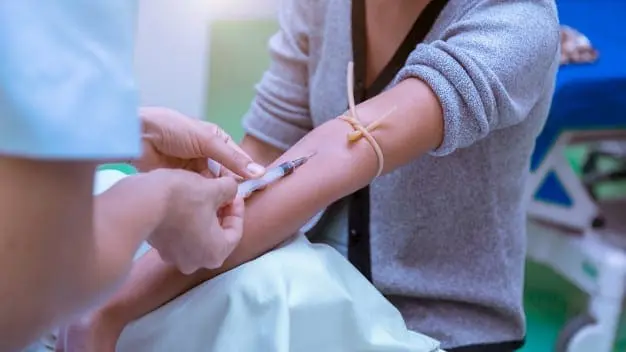
Unlike conventional blood collection, where a trained professional manually locates the vein, inserts the needle and collects the specimen, a robotic system is designed to automate much of that physical process.
The FDA describes Aletta as the first standalone robotic blood-draw device authorized to collect blood from a patient’s arm without hands-on operator intervention. The device must operate under the oversight of a supervisor trained in phlebotomy.
Why Is Robotic Phlebotomy Being Developed?
One reason is the growing demand for blood testing combined with a shortage of trained phlebotomists. Blood collection is one of the most frequently performed procedures in healthcare. At the same time, healthcare organizations continue to need qualified professionals who can collect specimens safely and efficiently.
The FDA specifically noted that the Aletta authorization may help address the shortage of trained phlebotomists. Automation could potentially help healthcare facilities handle blood collection more efficiently, particularly in settings where large numbers of specimens need to be collected.
Does Robotic Phlebotomy Mean Phlebotomists Will Lose Their Jobs?
No. The FDA’s authorization mandates that Aletta must operate under the oversight of a supervisor trained in phlebotomy. The FDA will allow however one trained phlebotomist can oversee up to three Aletta devices simultaneously. That means the technology does not eliminate the need for phlebotomists. Instead, it changes workflow and how that phlebotomy knowledge is put to use.
A phlebotomist’s job involves much more than inserting a needle. Professionals working in blood collection need to understand specimen requirements, patient identification, infection control, patient communication, equipment and collection procedures. Automation may eventually take over certain repetitive physical tasks, but healthcare still requires trained people to supervise technology, respond when something does not go as expected, and interact with patients.
What Does This Mean for Someone Considering a Career in Phlebotomy?
New technology is one reason it is important for future phlebotomists to develop a strong foundation rather than viewing phlebotomy as simply “drawing blood.” The profession is part of a much larger laboratory and healthcare system. Phlebotomists need technical skills, attention to detail, communication skills and an understanding of proper specimen collection and handling. Technology may change how blood is collected, but the underlying purpose remains the same: obtaining quality specimens while providing appropriate patient care.
The FDA’s authorization of a robotic blood-draw device is therefore less a sign that phlebotomy is disappearing and more an indication that the field is entering a new technological era.
Could Robots Change What Phlebotomists Do?
As healthcare technology develops, phlebotomists may increasingly work alongside automated systems. Their responsibilities could include supervising automated collection equipment, troubleshooting problems, assisting patients and handling situations that require human judgment. The exact impact will depend on how widely robotic blood collection is adopted and how healthcare organizations incorporate the technology into their workflows.
It is also important to remember that the current FDA authorization is specific. Aletta is authorized for adults in outpatient settings, and its use requires oversight by a supervisor trained in phlebotomy.
Is Phlebotomy Still a Good Career Choice?
Current employment projections suggest that phlebotomy remains an active healthcare occupation. The U.S. Bureau of Labor Statistics projects employment of phlebotomists to grow 7% from 2025 to 2035, compared with 3% for all occupations. The BLS also projects approximately 18,000 phlebotomist openings per year over the decade. The median annual wage was $45,230 in May 2025. Those projections do not account for exactly how emerging technologies such as robotic blood collection will affect individual workplaces. However, they demonstrate that phlebotomy continues to be an established healthcare occupation.
The Future of Phlebotomy May Include Both People and Technology
The introduction of robotic blood collection is an important development for the profession, but it does not mean that human phlebotomists are suddenly obsolete. Instead, it may signal a future in which trained professionals and automated technology work together.
For anyone interested in entering the field, developing a strong foundation in phlebotomy remains important. As technology changes, professionals who understand the fundamentals of blood collection will be better positioned to adapt to changes in the workplace.
Interested in starting a career in phlebotomy? Training is an important first step toward developing the knowledge and hands-on skills needed to enter the field. Visit Project Heartbeat’s Phlebotomy course page to learn more about how to start your career today!