
Project Heartbeat

The Heartbeat Blog

21 02, 2020

PALS for Trauma Victims

February 21st, 2020|Advanced Nursing|

If you are hoping to start a career in trauma care for the pediatric population, you may be required by your employer to take a PALS course. Even if this is not a requirement where you work, this course can give you the necessary knowledge and skills to excel in your job and to feel more confident and comfortable when working in the emergency department or in the pediatric intensive care unit. PALS is the Pediatric Advanced Life Support class [...]

19 02, 2020

CPR in the Movies: How Accurate Is It?

February 19th, 2020|BLS|

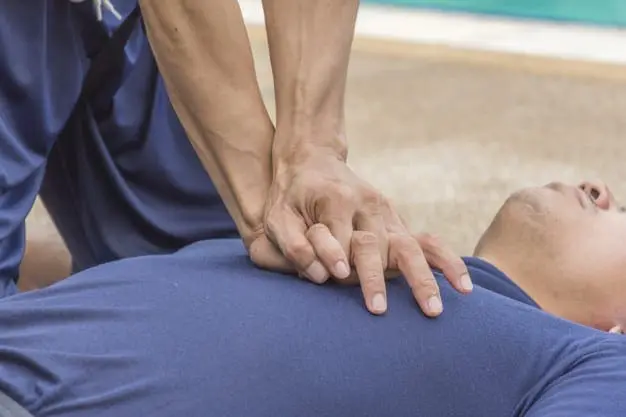
Chances are, you've seen a movie or television show that features a resuscitation attempt. Perhaps you watched a medical drama that showed a doctor kneeling on top of a gurney frantically providing chest compressions while orderlies wheeled the gurney down the hall. You may have even seen a clumsy attempt at rescue breaths in an older movie or a simple declaration that an individual did not have a pulse without even the slightest attempt at CPR. If you are unfamiliar [...]

12 02, 2020

Sick Sinus Syndrome and the Implications for Your Patients

February 12th, 2020|Advanced Nursing|

While you have probably learned plenty about symptomatic bradycardia and tachycardia, atrial fibrillation and ventricular fibrillation, other heart rhythms may still be a bit fuzzy in your mind. One potentially confusing rhythm is sick sinus syndrome, which may occasionally be called sinus node disease or sinus node dysfunction. Understanding this heart rhythm, its causes, symptoms and treatments can help you better address concerns that your patients may be having and help them prevent more severe complications of this arrhythmia. What [...]

7 02, 2020

EMT Skills Verification Checks for Renewal

February 7th, 2020|EMT Training|

EMTs, who are emergency medical technicians, respond to emergency situations throughout the community, including in individuals’ homes. They provide quick assistance, including CPR, certain medications and other first aid treatments while transporting these ill individuals to medical care facilities. To become an EMT, one must complete a state-approved program and receive certification for licensure. In addition, these individuals must hold valid CPR certifications. EMT Recertification As is the case for most health care workers, continuing recertifications are necessary to continue [...]

5 02, 2020

How to Pass Your PALS Certification the First Time

February 5th, 2020|Advanced Nursing, Classes|

Whether or not PALS certification is a requirement on your unit, you'll find this class and examination gives you greater knowledge of emergency care for your pediatric patients and greater confidence in your everyday work. However, you probably know how in-depth these classes go and how stressful the scenarios and megacodes can become. These tips will help you pass your PALS assessment the first time so that you can quickly become a certified provider.

29 01, 2020

Nipping Nursing Station Negativity in the Bud

January 29th, 2020|Nurses Corner|

Whether you like it or not, you spend a great deal of your life at work. In fact, it is estimated that the average person will spend over 13 years of her life at work. Because this is such a huge part of your life, you want to feel happy and fulfilled while on the job. No matter how much you love your career, the people with whom you work can quickly bring you down if they tend to be [...]

24 01, 2020

The Rewards of a Phlebotomy Career

January 24th, 2020|Career Programs, Classes|

A career in health care can be quite rewarding, but it can be hard to know where to start. You may not be sure if a career as a registered nurse or medical doctor is right for you if you have not yet dipped your toes into the waters of the medical world. One way to find out if medicine would make a good lifetime career for you is to get started as a phlebotomist. Phlebotomy is a Greek term [...]

22 01, 2020

Assisting with Tracheal Intubations

January 22nd, 2020|Education, Research|

While some patients have planned tracheal intubations as part of medical or surgical procedures, others are intubated during in-hospital codes or following some type of trauma that limits their ability to breathe on their own. With a tracheal intubation, a flexible tube is inserted down the throat and is placed far enough into the trachea to assist with regular breaths and oxygenation of the alveoli. A balloon on the outside of the tube is then inflated once it is in [...]

Go to Top