Project Heartbeat

Research

Evidence-based articles drawing on clinical studies, emergency medicine research, and healthcare industry findings. Curated for healthcare professionals, posts cover everything from resuscitation science and trauma care to workplace well-being and hospital operations.

27 11, 2019

What Does Intuition Have to Do with Smart Health Care?

November 27th, 2019|Advanced Nursing, Research|

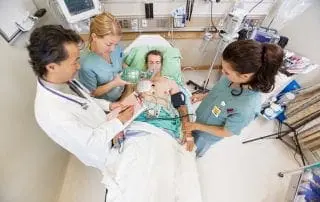
Intuition is defined as the ability to figure something out immediately without having to reason your way through it. As a consumer, you have probably found yourself knowing immediately whether something was a good purchase or whether it would fail in its promises. As a patient, you may have recognized when something was wrong with you physically. Perhaps you even sought care for this concern. As a health care provider, you still have this innate ability to use your intuitive [...]

22 11, 2019

Tips for Rapid Triage Assessments in the Emergency Room

November 22nd, 2019|Advanced Nursing, Education, EMT Training, Research|

Although triage is typically the emergency department position that most nurses dread, it is a vital role that ensures that the sickest patients get the fastest care. If you are ready to take your skills to the next level, study these tips for rapid and accurate triage assessments. Use a Proven Triage Assessment Tool Especially as a new nurse, you should rely on proven tools to help you do your job efficiently. For example, your facility may use the Emergency [...]

15 11, 2019

Top Scrub Brands for Nurses

November 15th, 2019|Education, Research|

A quick trip to a store that sells scrubs will show you that these garments are not as easy to purchase as you might think. Although they look a bit like pajamas on the outside, they must fulfill a far higher purpose than your lounge-wear does, and they must also be comfortable in every circumstance. You must consider the length, comfort, color, number of pockets and other features of your scrubs before determining that they are right for you. Instead [...]

30 10, 2019

What Is a Career as a Phlebotomist Like?

October 30th, 2019|Career Programs, Research|

Among the many health care careers available to men and women of all ages today, many individuals fail to consider phlebotomy, a unique hands-on career that requires plenty of interaction with patients. Although a phlebotomist’s job is incredibly important especially for critical or emergency care, it does not come with the same amount of stress that numerous other health care careers include. Phlebotomists are responsible for drawing blood in patients’ rooms, emergency departments, clinics, blood donor centers and laboratories. Therefore, [...]

23 10, 2019

What Is the Good Samaritan Law?

October 23rd, 2019|Research|

Now that you are a trained medical professional, you should be ready to provide health care in and out of the hospital or clinic. However, providing CPR and other emergency care when away from a medical setting can feel scary and may leave you wondering if you could get in trouble if the outcome is poor. After all, when you are clocked in, you most likely have plenty of backup from the entire medical team. If this subject has you [...]

16 10, 2019

Fall in Love with Your First Nursing Job by Choosing the Right One

October 16th, 2019|Career Programs, Nurses Corner, Research|

While choosing nursing as your career may have been a simple decision, your choice of nursing specialization may not be so easy. After all, there are dozens of areas where you can work in any health care organization as well as numerous specialty organizations that offer home health and hospice care. You could even put your nursing education to work behind the desk at an insurance company or in case management. With so many choices, you may be worried [...]

17 12, 2017

Blood Culture Collection Tutorial 202

December 17th, 2017|Classes, Research|

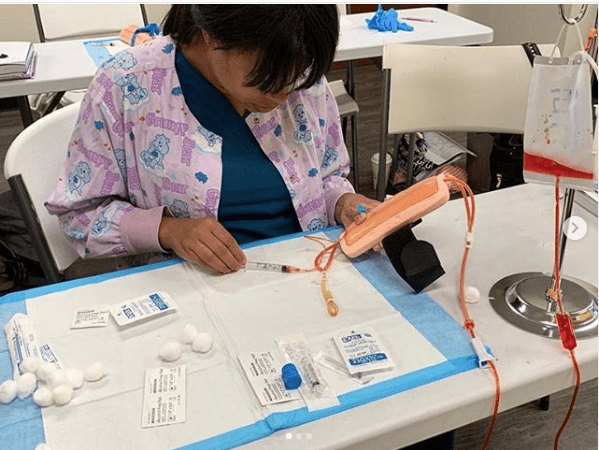
https://www.youtube.com/watch?v=7y1_aM9L6Is Blood Culture Collection Tutorial This instructional video demonstrates best practices for proper blood culture collection in a clinical setting. The focus is on correct site preparation, sterile technique, and minimizing contamination to ensure accurate test results and patient safety. Viewers will learn: How to properly prepare the collection site Why blood cultures must be drawn from two separate sites Correct scrub and dry times to reduce contamination Proper use of transfer devices and culture bottles Recommended [...]

26 10, 2017

Struggling with understanding sepsis? Check out this awesome video!

October 26th, 2017|Research|

https://www.youtube.com/watch?v=xJXAG3Beo1E Lyrics [Buldawgy dawg] One, two, three and to the fo' The Lactates' elevated so early goal is how we roll Ready to cure some sepsis, so step on up Burke: (Cause this confusion needs to be cleared up) Screen for SIRS first, then zoom in like the Hubble Infection and a fever, the patient could be in trouble Ain't nuthin' but some sepsis, baaaaabay! blood stream infection make us craaaazy Should we isolate the pt for safety [...]

26 10, 2017

Hematopoietic Stem-Cell Gene Therapy for Cerebral Adrenoleukodystrophy

October 26th, 2017|Research|

Hello Project Heartbeat folks! Check out this study from the New England Journal of Medicine about the effects of Lenti-D gene therapy as a safe and effective solution to cerebral adrenoleukodystrophy: Hematopoietic Stem-Cell Gene Therapy for Cerebral Adrenoleukodystrophy Article

17 10, 2017

Register for our Basic ECG and Pharmacology or Advanced 12 Lead ECG Interpretation Classes! See below for class availability and information

October 17th, 2017|Classes, Education, Research|

Upcoming ECG & Pharmacology Training Dates The AHA’s ECG & Pharmacology Course has been updated to reflect the 2010 AHA Guidelines for CPR and ECC. This classroom-based, Facilitator-led course is designed to improve electrocardiogram (ECG) recognition skills and pharmacology knowledge for treating cardiovascular emergencies. This course is for healthcare professionals who participate in the management of cardiopulmonary arrest or other cardiovascular emergencies. This includes personnel in emergency response, emergency medicine, intensive care and critical care units such as physicians, [...]

Go to Top